
I appreciated reading Sarah Joor’s voter’s guide to the 2026 Massachusetts ballot questions published this week by The Townie. I also wanted to help other voters become more informed of their choices by getting under the hood of the dizzying number of this year’s ballot questions.
The Voter’s Guide PDF document I put together covers what a yes or no would mean, while going into detail regarding who framed or wrote each question, who’s behind the questions’ signature efforts and funding, and the advocacy organizations such as the non-partisan League of Women Voters, partisan Progressive Massachusetts, and the Massachusetts Republican and Democratic parties have to say about how you should vote on these questions.
Rather than taking the time to explain the questions here, since Sarah Joor laid them out, I suggest you go straight to the guide for further details. That said, a few things about this set of questions has raised a few eyebrows.
When you follow the money behind this year’s ballot questions, some patterns emerge. On questions 1 and 3 regarding how our democracy and the electoral process works in the state, one funding committee with private equity ties and very deep pockets backs both the public records question and the open primary question, the biggest checks coming mainly from partners at Boston private equity firms. Opponents of the change to state primaries (question three) say this sort of funding around democratic process is exactly how wealthy donors end up rewriting the rules of elections.
But public sentiment on questions 1 and 3 is more complex than may appear. The public is largely supporting question one’s backers, who also include state auditor Diane DiZoglio (a Democrat) because the majority polled think the legislature and governor should be subjected to the same transparency as other governmental offices. So, support for this question cuts across the political spectrum.
Question 3 is another matter. Deep pockets are using their power to rewrite election laws for one purpose: manipulate a crowded field of primary candidates so the Democratic vote is split, which could allow a Republican to emerge in second place against a Democrat who isn’t necessarily a widely appealing candidate. This could of course backfire if two democrats emerge as the top voter earners. Both the state Democratic and Republican parties are against this measure. It seems only private equity is behind the drive to reshape the way we elect our representatives. This is not the solution. Rather, passing Ranked Choice Voting is a great way to move appealing candidates from either party forward whom the electorate truly support. Let’s vote no on 3 and revive the conversation on Ranked Choice Voting, which failed to gain majority support in the state when it appeared as a ballot question in November 2020. I remain convinced RCV failed in 2020 because it takes some work to understand the process, but once you get it you realize it gives voters a stronger voice in who gets elected.
Other questions follow a more straightforward logic, because industries pay to protect their own turf. The Pioneer Institute, a Boston-based free-market, libertarian think tank wrote question 7, and real estate money is funding the effort, while cannabis companies are funding legal cannabis’s defense. The cannabis repeal itself looks different, since nearly all of its money can be traced to one national group that will not say who funds it, while out-of-state firms collected the signatures. Thankfully we have access to the numbers, which reveal the degree to which the cannabis question has been astroturfed. Interestingly, outside cash has flowed in both directions before; the 2016 legalization campaign also ran mostly on out-of-state money.
If you ask me, the next batch of Massachusetts ballot questions in 2028 should focus on whether out-of-state entities should be able to initiate ballot questions, fund them, and collect signatures on questions that should be the purview of the state’s residents. Perhaps we should also limit monetary contributions regarding ballot questions to individuals capped at amounts the average voter can afford.
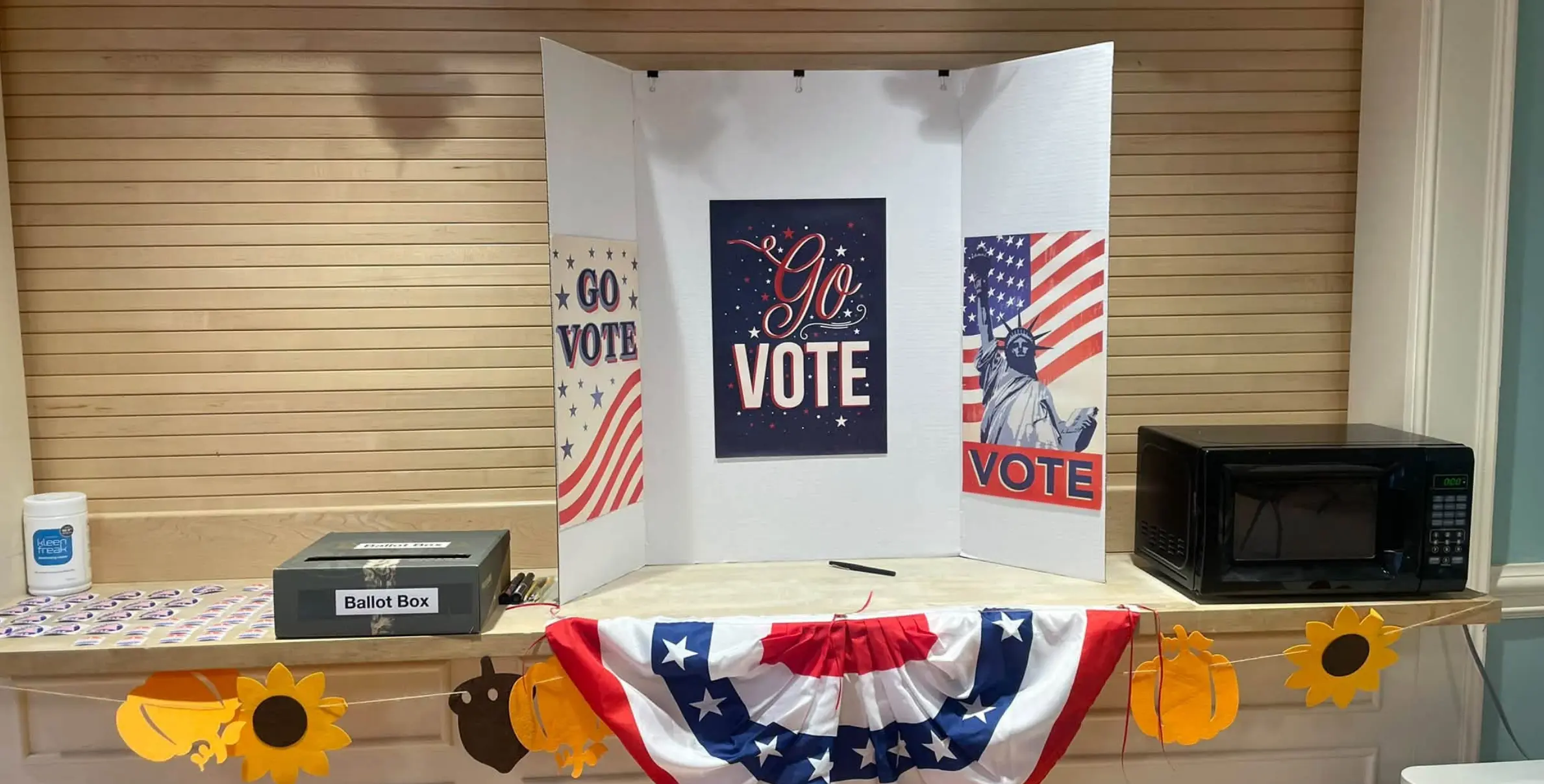
The above reflects my views, but the voter’s guide, which includes objective data sources, aims to provide the facts to help you make informed decisions when you fill out the two-page ballot before, or on, November 3rd. I’ve already voted, and hope you’ll also exercise your right to cast a ballot.