
The Townie is an opinion website. The views expressed in this piece belong solely to the author, do not represent those held by The Townie, and should not be interpreted as objective or reported fact.
There’s a familiar rhythm to the current housing debate in Newburyport.
On one side, a practical argument, often pitched by developers and many in real estate. Older homes are replaced with newer ones. Values rise. Tax revenues follow. The city benefits.
On the other, a quieter question, led by the Newburyport Preservation Trust and many who value the character of this fine city. What happens if, one by one, the homes that define Newburyport don’t just disappear, but are slowly eradicated?
So what’s the specific debate in town hall?
Whether to extend the city’s ability to impose a demolition delay on historic homes from one year to two. It sits squarely between these views. And both sides have a point. Just not on the same timeline.
Developers and some in real estate are right. Redevelopment can increase property values. Larger homes often mean higher assessments and more tax revenue. But that argument is also narrow. And let’s be honest, at times self-serving. Shorter timelines mean quicker commissions and faster profits. Efficient for individuals. Not necessarily aligned with what protects the long-term value of the city itself.
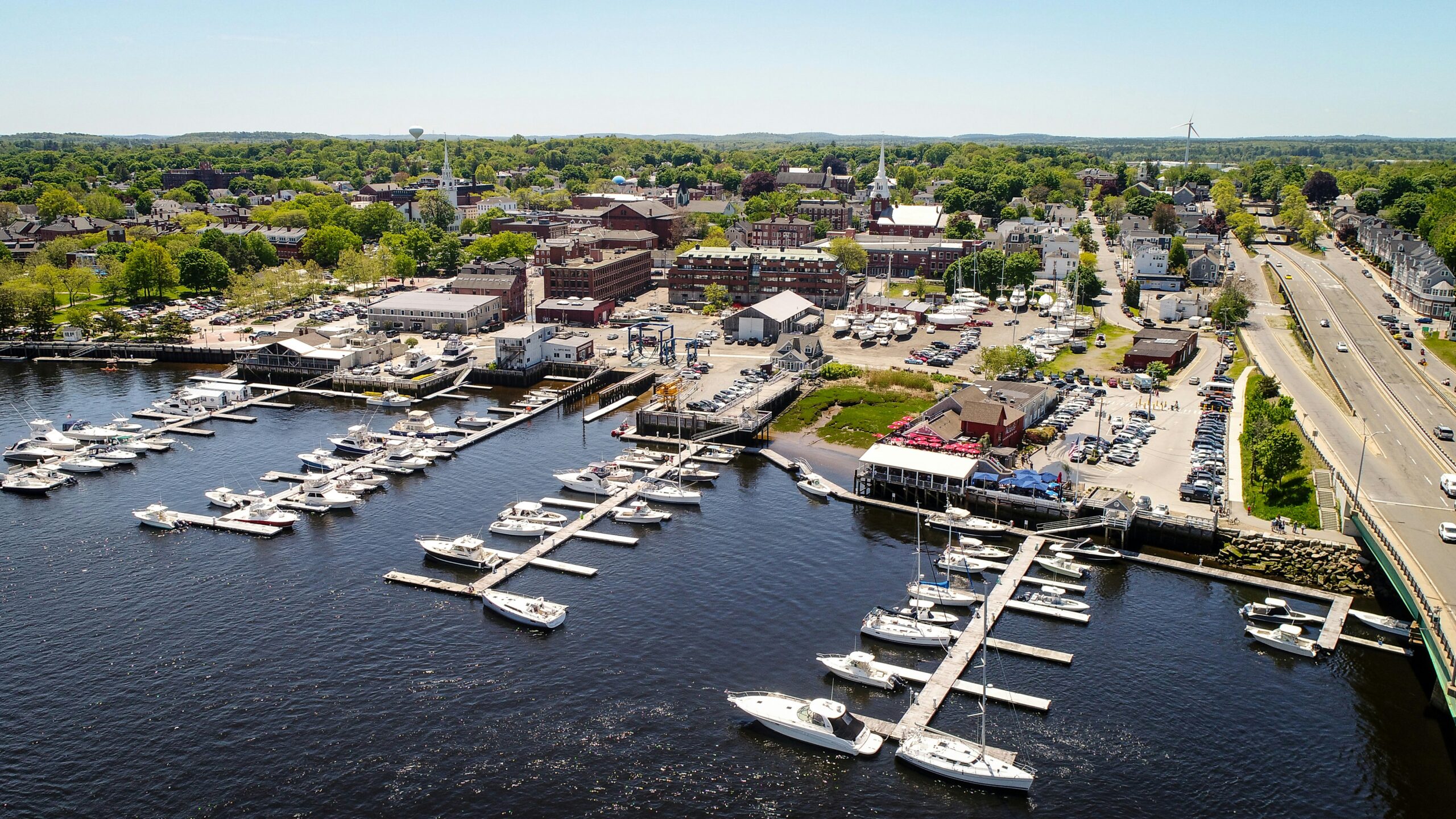
Because Newburyport’s value has never been built lot by lot. It’s built street by street. Block by block. A preserved whole that people don’t just live in, but travel to experience.
Newburyport attracts roughly 500,000 to over 1 million visitors annually, largely because of its historic charm. It is consistently positioned as a historic seaport destination. Walkable architecture and preserved streetscapes are not a bonus feature here. They are the draw.
Nationally, about 1 in 9 trips involve visiting historic sites. Newburyport is one of the few places where that’s not just an option. It’s the entire experience.
That appeal isn’t sentimental. It’s economic.
Based on conservative estimates, those visitors represent somewhere between $60 million and $200 million annually in local economic activity. Shops, restaurants, services, jobs. All downstream of a single idea: that this place feels different.
Remove the story of the city, and you remove the reason people visit. And those are direct dollars that would be lost.
So the question becomes unavoidable.
If that identity is gradually reduced, what exactly are we increasing?
At one year, the demolition delay is a pause. A box checked. In many cases, just long enough to wait out before proceeding as planned.
At two years, it becomes something more meaningful. Time to rethink. Time to find buyers who restore rather than replace. Time for better decisions to surface. And if we are serious about this, extending the timeline is only part of the answer.
Because the current system has gaps. There is a growing perception that structural engineer reports are sometimes used to declare homes unsafe and bypass the delay altogether. Sometimes justified. Sometimes questionable. Either way, it undermines trust.
If we extend the delay, we should tighten the rules alongside it. Independent review. Clearer standards. A process that cannot be worked around when it matters most.
This debate is not really about one year versus two. It’s about whether Newburyport believes what it already knows. That its value is not just in what can be built next, but in what has been carried forward.
You can always build a bigger house.
You cannot rebuild a historic street.
And if every historic home becomes a newer, larger one, Newburyport doesn’t become more valuable. It becomes more replaceable.
We’re not fighting change. We are protecting what makes this place worth choosing in the first place.
The conversation is already underway. It surfaced clearly at the most recent Planning Board discussion, and it’s far from settled.
The city is still discussing this, so if you care about what Newburyport becomes next, talk to you local representative.
William Phipps
Byfield resident
Passionate about a local issue? We want to hear from you. Check out our submission guidelines.
Subscribe to our Newsletter




Leave a Reply to David Stawasz Cancel reply