
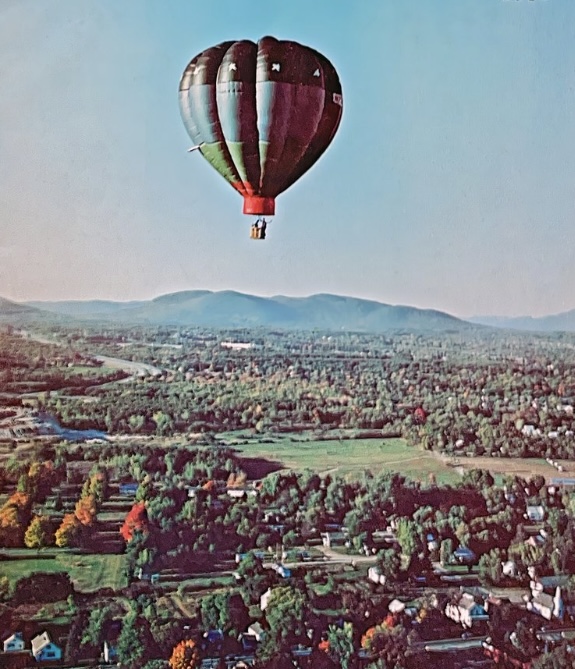
Only once have I seen a monarch butterfly drift with me. It was early evening, early fall. I was standing alone in a wicker basket drifting southwestwardly, about 1,000 feet above the ground taking in the views. I was quietly startled to see a monarch butterfly riding the same breeze, flying beside me. That butterfly wasn’t just drifting, it was on a mission. Monarchs on the east coast generally migrate to a single secluded forest in Mexico to overwinter. Some stay in the Gulf area. Western ones often stay in Southern California. Their journey is a fascinating tale of impermanence and rebirth. As spring drifts slowly northward, so do monarchs lay eggs and die. The young continue the journey north — four generations in one season.
Monarch butterflies lay eggs about the size of a sentence period, but only on milkweed plants along their journey. Yet their northern migrations are passed along, drawing nutrients from flowers along the way. As fall approaches, the last generation flies south from Newburyport and other northern locations, each monarch flying all the way to Mexico or wherever it’s warm. But the journey now grows harder. As highway crews cut roadsides and farmers press soil to the edge, milkweed disappears — and with it, the monarchs.
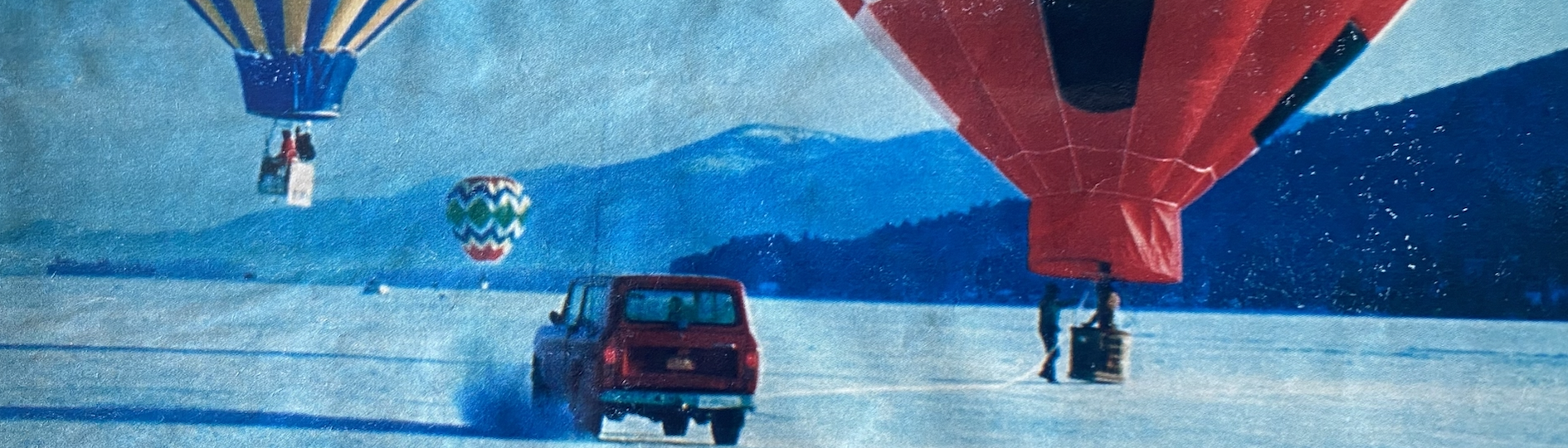
For me, hot air ballooning was fun, awe inspiring, and happy. For a few years, that was how I earned a living. My wife Carol and I were sponsored and visited 31 States. This particular flight was going beautifully. The first tank of propane was nearly empty. I watched the monarch and switched tanks. I tried to maintain level flight so I could stay with the monarch a little longer. In a hot air balloon, heat takes time. 10+ seconds can pass between a blast and its effect, like pressing the gas pedal and waiting to move.
My 60,000 cubic foot Piccard hot air balloon and I needed to find a place to land. Up and down are the only controls. Sunset was approaching. I leveled off to just above tree level. I loved picking leaves off the tops of trees, and passengers did too. I’ll never forget the thrill of drifting along over an Iowa cornfield, with corn tassels whirring against the basket, seeing Napa and San Pablo Bay from a balloon, seeing a business jet fly underneath me while I was at 10,000 feet above North Carolina.
That evening, landing in a field near a home was very gentle. The rip-line was pulled and the envelope settled. Champagne was shared with the landowner. Carol had followed me and joined with the help of onlookers in the experience of packing up. That monarch…seen once, felt forever…still rides the thermals of my memory, 53 years on.
Locally, one of the places to help monarch butterflies is the monarch butterfly and native plant garden on the Clipper City Rail Trail near Oak Hill Cemetery and Parker Street. Beth Clary (bethdclary@gmail.com) manages that beautiful garden. She welcomes volunteers.
For plant and other resources, visit the Ipswich based: themonarchgardener.com.