
Newburyport’s Evolution is Full of Economic Highs and Lows
Opinion PieceThe Townie is an opinion website. The views expressed in this piece belong solely to the author, and do not represent those held by The Townie.
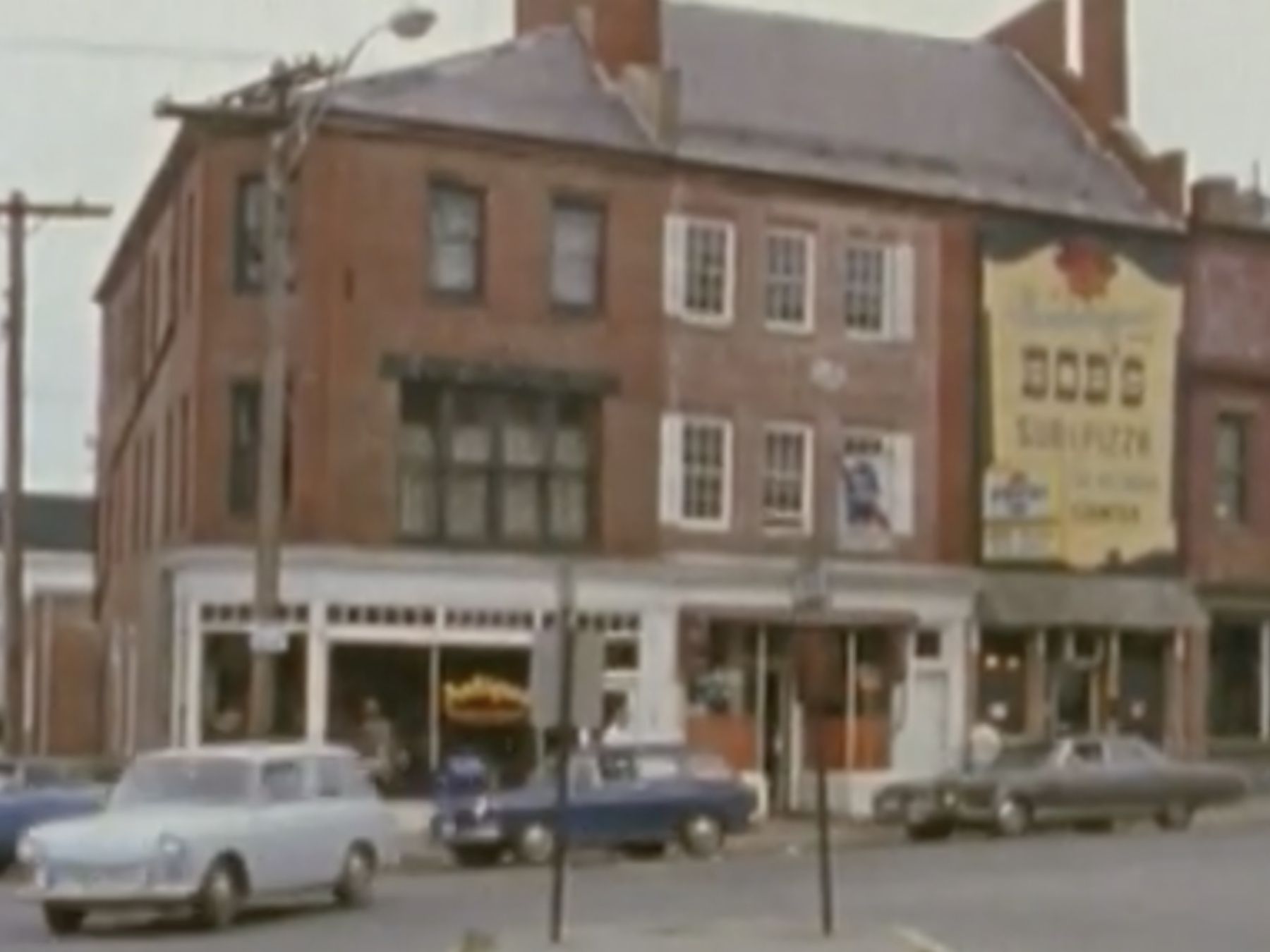
Newburyport has had a history of economic highs and lows. When we were building clipper ships, we had an economic high. We did not adapt when clipper ships were no longer viable and steam ships took their place. We had an economic high when the factories were built. We did not adapt when things changed. For example, the comb factory on Chestnut Street — we made beautiful combs for long hair. In the 1920s, women cut their hair, and those combs were no longer relevant, but we did not adapt. That factory is no longer and is now a residential area.
By the late 1960s, Newburyport was in bad shape. They were going to tear down downtown Newburyport and build a shopping mall. If you have never seen the video “A Measure of Change,” please do so. At the last minute the town decided to save the buildings that were still standing. The hope was that the history of the town would bring about economic prosperity, and that was correct; however, it took decades, and it is called Newburyport’s “Urban Renewal.” After the downtown was restored, developers started to turn the old houses into rental properties. No one wanted the drafty old houses that cost a fortune to heat and renovate, and rents were cheap and available.
When I moved here in 1981 it was a working-class town with many families who had been here for generations. I bought my first house for $74,000 and was upset because the people who sold it to me had doubled their money in two years. It recently sold for $1.5 million. By the 1990s, Newburyport was a working-class and middle-class city with a downtown that had a drugstore, a general store, a grocery store, and places to buy clothes and books. That gradually changed too. There was Kmart, then the malls, then the large chains, then Amazon. Downtown became a place of restaurants and where tourists wanted to shop. And the people who invested in rental properties in the 1970s got older and no longer wanted to keep those properties up, and they have gradually been sold and made into condos. And most of the affordable housing that was disbursed throughout the city has gradually disappeared.
The goal of Urban Renewal has been achieved; we are once again at an economic high, and that has come with decades of growing pains. In the 1970s, the banks would not give a mortgage to people in Joppa in the South End. Now the South End is desirable with a house that is over 4 million dollars. Newburyport is no longer an affordable place to live, and people have gradually been displaced for decades. If history is any indication, that may change. Newburyport has never been stagnant, and we can try to appreciate what it is now, learn its history, and wonder how it will evolve.
2 Comments
Great article! The only constant is change, and every generation has to fight its battles to make and maintain a great City. This generation, we have to fight to make Newburyport more affordable and livable for all its residents!
Always awesome to read something from you, Mary!